Uncharted Perspectives in Reproductive Biology, Cellular Innovation and Human Health

Exploring the Biological Foundations of Reproductive Health
Reproductive biology represents a dynamic field of scientific investigation, connecting cellular processes, molecular regulation, developmental mechanisms, and the physiological systems that support human reproduction. Its complexity extends across multiple levels of biological organization, from intracellular signaling pathways to tissue interactions and the coordinated functions of reproductive organs.
Understanding these mechanisms requires an integrated scientific perspective that brings together molecular biology, endocrinology, genetics, developmental science, and cellular physiology. Each discipline contributes essential knowledge to the investigation of reproductive processes and their relationships with broader aspects of human health.
Advances in biomedical research continue to expand scientific understanding of reproductive functions, offering new perspectives on biological variation, cellular communication, developmental regulation, and physiological adaptation.
1. Molecular Architecture of Reproductive Processes
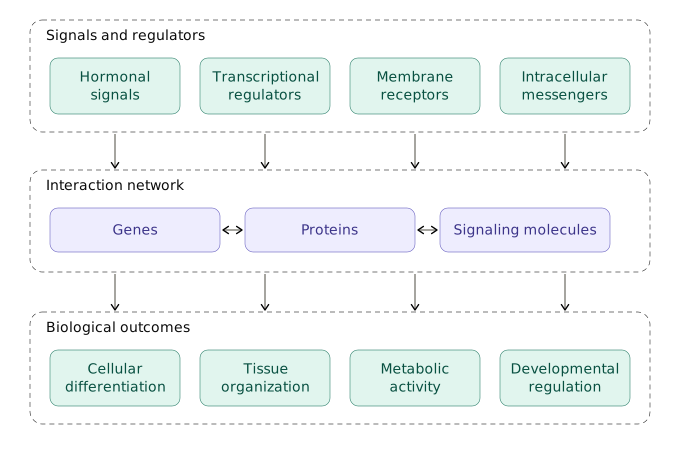
Reproductive functions depend on highly coordinated molecular mechanisms that regulate cellular activity, tissue development, and physiological responses. Hormonal signals, transcriptional regulators, membrane receptors, and intracellular messengers participate in complex networks that maintain communication between different biological systems.
At the molecular level, reproductive processes involve interactions between genes, proteins, and signaling molecules. These interactions influence cellular differentiation, tissue organization, metabolic activity, and the regulation of developmental events.
Research into these molecular architectures provides valuable insights into the biological foundations of reproductive physiology. It also helps establish connections between fundamental cellular mechanisms and the broader processes involved in human development.

2. Cellular Communication and Biological Regulation
Cells continuously exchange information through chemical messengers, receptor interactions, and intracellular signaling pathways. These communication systems are essential for maintaining coordinated biological functions.
In reproductive tissues, cellular communication involves interactions between epithelial cells, stromal components, immune populations, and specialized endocrine cells. Their coordinated activity contributes to tissue organization, physiological adaptation, and the regulation of reproductive functions.
Several signaling pathways, including PI3K/AKT, MAPK/ERK, JAK/STAT, and Wnt-related mechanisms, participate in cellular growth, differentiation, survival, and communication. Learn more
Investigating these pathways allows researchers to examine how biological signals are translated into functional responses and how molecular interactions influence the organization of complex tissues.
3. Endocrine Networks and Hormonal Interactions
The endocrine system plays a central role in reproductive physiology through the production, release, and regulation of hormones. Communication between the hypothalamus, pituitary gland, and reproductive organs establishes an interconnected regulatory network.
The hypothalamic-pituitary-gonadal axis represents one of the principal systems involved in reproductive regulation. Gonadotropin-releasing hormone, follicle-stimulating hormone, luteinizing hormone, estrogen, progesterone, and testosterone participate in coordinated physiological processes.
Hormonal activity is influenced by receptor sensitivity, feedback mechanisms, metabolic conditions, and interactions with other endocrine pathways.
Scientific investigation of these regulatory networks contributes to a deeper understanding of reproductive development, physiological variation, and the molecular mechanisms underlying hormonal balance.
4. Reproductive Genetics and Epigenetic Regulation
Genetic information provides the molecular framework for cellular development, differentiation, and the transmission of biological characteristics. In reproductive biology, genetic mechanisms influence gamete formation, chromosome organization, embryonic development, and inherited variation.
Epigenetic regulation introduces another important dimension to these processes. DNA methylation, histone modifications, chromatin remodeling, and non-coding RNA molecules influence gene expression without changing the underlying DNA sequence.
These mechanisms contribute to the regulation of cellular identity and developmental programs. Their investigation helps clarify how genetic and environmental factors interact throughout different stages of biological development.
Emerging research in reproductive epigenetics continues to reveal the complexity of gene regulation and its contribution to biological diversity.

5. Developmental Biology and Early Cellular Differentiation
Human development begins with a sequence of highly coordinated cellular events. Fertilization, cleavage, blastocyst formation, implantation, and subsequent embryonic development involve precise molecular and cellular interactions.
During these stages, cells acquire specialized functions through differentiation processes regulated by transcription factors, signaling molecules, and epigenetic mechanisms.
Cellular polarity, adhesion, migration, and communication contribute to the organization of developing tissues. The interaction between embryonic cells and their surrounding environment also influences developmental progression.
Studying early developmental biology provides important knowledge about cellular plasticity, tissue formation, and the molecular foundations of human development.

6. Reproductive Immunology and Tissue Interactions
The immune system participates in numerous physiological processes associated with reproductive tissues. Immune cells, cytokines, chemokines, and regulatory molecules contribute to tissue communication and local biological adaptation.
The reproductive environment involves interactions between immune populations and specialized tissue cells. These interactions are particularly important for understanding inflammation, immune tolerance, tissue remodeling, and the biological processes associated with pregnancy.
Research in reproductive immunology examines how immune regulation contributes to physiological equilibrium and how different cellular populations coordinate their activities within reproductive tissues.
This interdisciplinary field connects immunology, molecular biology, endocrinology, and developmental science.
7. Mitochondrial Function and Cellular Energy Metabolism
Mitochondria are essential components of cellular physiology, supporting energy production, metabolic regulation, calcium homeostasis, and intracellular signaling.
Their activity is particularly relevant in reproductive biology because specialized reproductive cells depend on tightly regulated metabolic processes. Mitochondrial structure, membrane potential, ATP production, and oxidative balance contribute to cellular functionality.
Oxidative phosphorylation and reactive oxygen species production represent interconnected mechanisms that influence cellular metabolism and signaling.
Investigating mitochondrial biology provides opportunities to better understand the relationships between energy metabolism, cellular quality, and reproductive physiology.

8. Scientific Technologies Transforming Reproductive Research
Modern reproductive research increasingly relies on advanced analytical technologies capable of examining biological systems at molecular, cellular, and tissue levels.
Genomic sequencing, transcriptomic profiling, proteomic analysis, metabolomics, advanced microscopy, and computational modeling have expanded the possibilities of biomedical investigation.
These technologies allow researchers to identify molecular patterns, characterize cellular populations, investigate gene expression, and examine complex biological interactions.
Single-cell sequencing and spatial transcriptomics are particularly valuable for studying cellular heterogeneity and understanding how different cell populations interact within reproductive tissues.
The integration of experimental techniques with computational approaches is contributing to a more detailed and interconnected understanding of reproductive biology.

9. Bioinformatics and Data-Driven Biological Discovery
The increasing availability of high-dimensional biological datasets has transformed the interpretation of reproductive and developmental processes.
Bioinformatics provides analytical frameworks for investigating genomic sequences, identifying gene expression patterns, comparing molecular profiles, and exploring biological networks.
Computational approaches such as differential expression analysis, pathway enrichment, network modeling, and machine learning can help researchers identify relationships that may not be immediately apparent through conventional experimental observation.
The combination of biological knowledge and computational analysis supports more comprehensive investigations of molecular mechanisms and cellular interactions.
10. Emerging Perspectives in Reproductive and Human Health Research
The future of reproductive science is closely connected to interdisciplinary research and the development of more precise analytical approaches.
Current scientific directions include the investigation of reproductive aging, cellular senescence, genetic variation, endocrine signaling, tissue regeneration, and the molecular interactions between reproductive and metabolic systems.
Organoid models, advanced cell culture systems, genomic technologies, and computational biology are opening new possibilities for examining complex biological mechanisms.
These developments highlight the importance of integrating fundamental research with advanced scientific methodologies. A broader understanding of reproductive biology can also contribute to research in developmental medicine, cellular physiology, immunology, and human health.

11. An Integrated Perspective on Biomedical Knowledge
Reproductive biology cannot be understood through a single scientific discipline. Its mechanisms emerge from the interaction of genetic information, cellular organization, hormonal regulation, immune activity, metabolic processes, and environmental influences.
An integrated approach encourages researchers to examine these relationships across different biological scales. Molecular observations can be connected to cellular behavior, tissue organization, and physiological outcomes.
This perspective strengthens the relationship between fundamental biological research and the wider biomedical sciences.
By exploring the connections between reproductive mechanisms and human physiology, scientific investigation continues to reveal new dimensions of biological complexity.